Our Story
Forio began at MIT in the early 1990s, when co-founders Will Glass-Husain and Michael Bean met in the Sloan School’s System Dynamics Lab. Both were fascinated by the power of computer simulations to untangle complex business and policy problems. Just as importantly, they believed simulations could help people learn through direct experience rather than by being told the “right answer.”
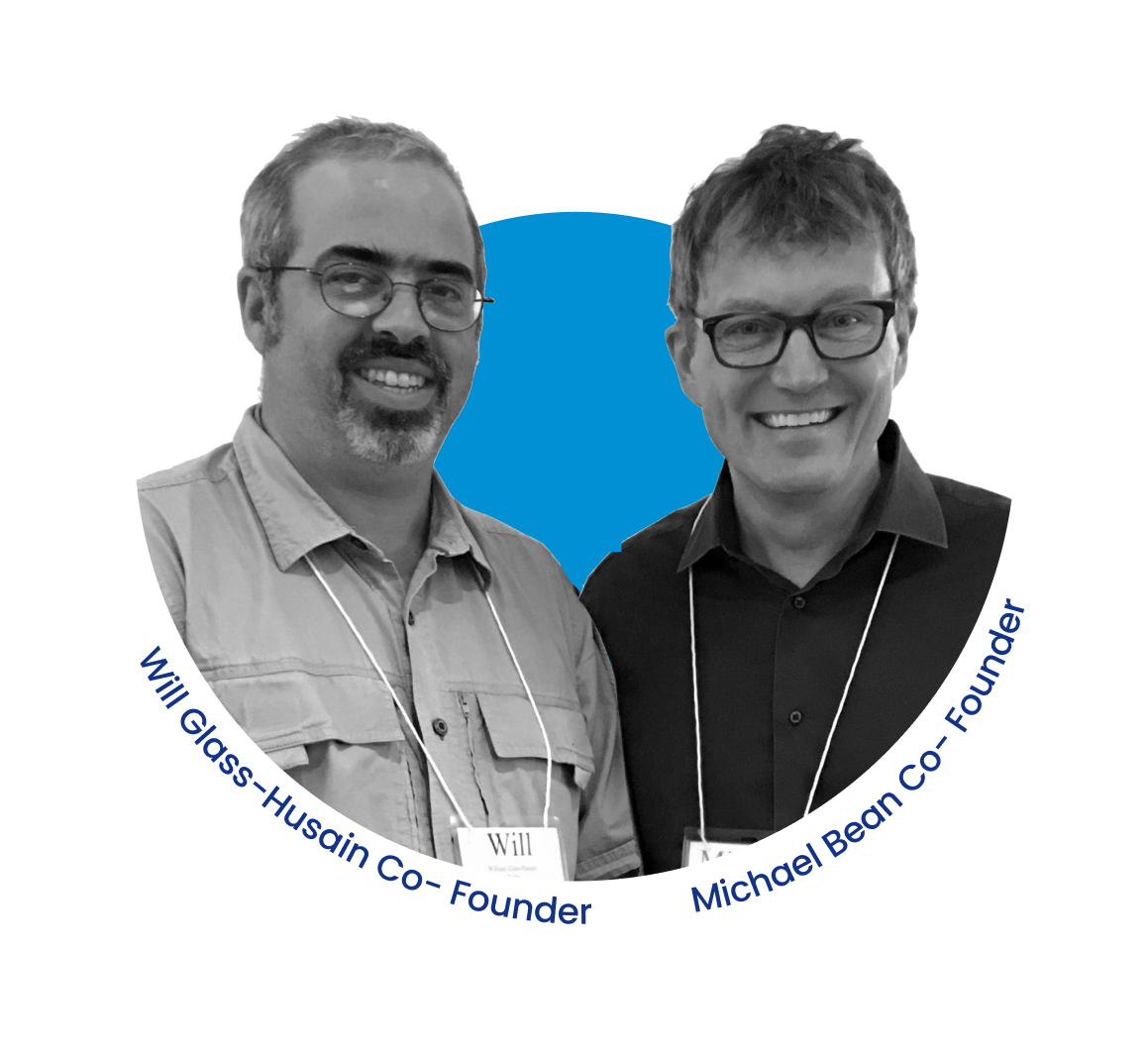
In 2001, they founded Forio with a bold vision: to create a platform where anyone could build, share, and run web-based simulations. At the time, this approach was groundbreaking because it transformed simulations from one-off desktop models into interactive, hands-on learning experiences accessible to many.
That spirit of innovation led to lasting partnerships with leading universities, including Harvard, MIT, and Wharton. Together, dozens of simulations, such as Everest and Pricing, are now used by business schools and organizations worldwide.
More than two decades later, Forio continues to evolve. With the Epicenter platform, Performer role-play simulations, a growing catalog of ready-made experiences, and AI-powered coaching, Forio remains committed to making learning immersive, scalable, and impactful.
History of Forio
2001
Forio Founded
2002
First business simulation released
2003
Partnership with MIT begins
2006
Partnership with Wharton begins
2007
Harvard Business School Publishing collaboration begins with Everest and pricing simulations
2014
Epicenter launched
2017
Catalog hits 20 simulations
2017
Performer released
2021
Ready made catalog popularity exceeds XXX because of post-pandemic learning changes
2024
Forio introduces automating coaching feedback with AI into Performer
2024
Drew joins Forio
Trusted by Leading Universities & Organizations




.jpeg&w=3840&q=75)
"Seeing students cheer each other on while playing the simulation confirmed we'd created something truly impactful with Forio."
Matt Lisle, Managing Director of Digital Learning, Thrive Scholars

"The simulation is built with much thought and precision that it truly brings out the issues, strengths, and weaknesses of a team."
USAA